


Keeping Children Safe – Everyone’s Responsibility
At Marton & District CE Aided Primary School, the safety and wellbeing of every child is our highest priority.
Safeguarding is at the heart of our school culture and is the responsibility of everyone who works in, attends or visits our school. We are committed to creating a safe, caring and nurturing environment in which every child is valued, listened to and protected from harm.
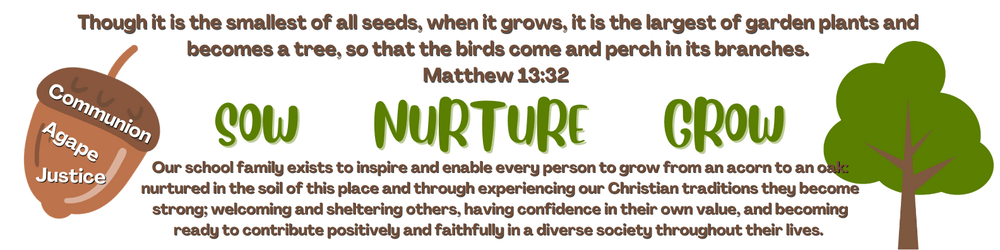
Our Christian vision of “Sow, Nurture, Grow” underpins our approach. We believe that every child should be able to flourish, feel safe, develop confidence and know that there are trusted adults who will listen to them and help them.
We work closely with families and with external agencies to identify concerns at the earliest opportunity and to ensure that children and families receive the right support at the right time.
Safeguarding includes protecting children from abuse and neglect, as well as responding to concerns relating to domestic abuse, exploitation, online safety, mental health and wellbeing, attendance, bullying, discrimination and other risks that may affect a child's safety or welfare.
If you have a concern about a child, please do not assume that somebody else will report it. If you are worried, tell someone.
Our Safeguarding Team
Our Designated Safeguarding Leads (DSLs) are:
Mrs Nevin Deakin – Headteacher & Designated Safeguarding Lead (DSL)
Mrs Jo Wood – Deputy Headteacher & Designated Safeguarding Lead (DSL)
Our safeguarding governors are:
Mrs Sheila Kent – Safeguarding Governor
Mrs Sue Furness – Chair of Governors
Our DSLs have lead responsibility for safeguarding and child protection within school and work closely with staff, families and external agencies where concerns arise.
All staff receive regular safeguarding training and safeguarding remains a standing priority within our school. Staff are expected to remain professionally curious, to listen carefully to children and to report concerns promptly.
For safeguarding enquiries during school hours, parents and professionals should contact the school office in the first instance or email:head@marton.cheshire.sch.uk
Please note that email should not be used where a child is at immediate risk of harm.
Where appropriate, we may work with other professionals and agencies to ensure that children receive the support they need.
How to Report a Safeguarding Concern
If you are worried about a child
If you are a parent, carer, pupil, member of staff, volunteer or visitor and you have a concern about the safety or wellbeing of a child, please tell someone.
During the school day
You can:
- speak to a member of staff;
- ask to speak to one of our Designated Safeguarding Leads;
- contact the school office;
- contact Mrs Nevin Deakin or Mrs Jo Wood directly through school.
If you are unsure whether something constitutes a safeguarding concern, please report it anyway. It is our responsibility to listen, consider the information carefully and decide what action may be needed.
Outside school hours
If you are concerned about a child living in Cheshire East, you can contact the Cheshire East Consultation Service (ChECS).
ChECS: 0300 123 5012
Monday–Thursday: 8.30am–5.00pm
Friday: 8.30am–4.30pm
ChECS is the main point of contact for advice, support and referrals relating to children and families, including safeguarding and child protection concerns. You can contact them even if you are unsure whether your concern meets the safeguarding threshold.
Outside these hours:
Emergency Duty Team: 0300 123 5022
Immediate danger
If a child is in immediate danger or at risk of significant harm, call 999 and ask for the police immediately.
If a child lives outside Cheshire East, please contact the Children's Services/Safeguarding team for the local authority in which the child lives.
Please do not use email or social media to report an urgent safeguarding concern.
Support for Children and Families at Marton
We recognise that children and families may need support for many different reasons. Our approach is to listen, identify concerns early and work with families to provide appropriate support.
School-based support may include:
· support from a trusted adult;
· pastoral support;
· wellbeing support;
· emotional literacy and emotion coaching;
· ELSA support;
· lunchtime support through our pastoral provision;
· support with friendships and relationships;
· support with attendance;
· support for children with SEND;
· support for families experiencing difficulties;
· liaison with external professionals and services where appropriate.
Children are encouraged to speak to a trusted adult if something is worrying them. They can speak to their class teacher, teaching assistant, DSL or another adult they feel comfortable talking to.
Community Support for Families
Families can access a range of local and national services.
Cheshire East Family Information Service
The Family Information Service provides free, confidential and impartial information, advice and guidance for families with children and young people aged 0–25. Email: fis.east@cheshireeast.gov.uk
Families can also access their local Family Hub for support and advice.
Live Well Cheshire East
Live Well Cheshire East provides information about health, wellbeing, family and community support and allows families to search for local services.
Mental Health and Wellbeing
Families can access a range of local and national services for children's emotional wellbeing and mental health through the Cheshire East Local Offer and Live Well services.
Childline: 0800 1111
Childline provides confidential support for children and young people. Children can talk to someone about anything that is worrying them.
Domestic Abuse and Operation Encompass
Marton & District CE Aided Primary School participates in Operation Encompass.
Operation Encompass is a safeguarding partnership between the police and schools. It enables schools to receive information when the police have attended a domestic abuse incident involving a child or young person, so that appropriate support can be provided to the child in school.
Our aim is to ensure that children affected by domestic abuse are recognised, supported and given access to a trusted adult as quickly as possible
Domestic Abuse Family Safety Unit (DAFSU)
The Domestic Abuse Family Safety Unit (DAFSU) provides support and advice to people affected by domestic abuse, including professionals seeking advice or making a referral. DAFSU: 0300 123 5101 Text: 07777 941464 Email: dafsu@cheshireeast.gov.uk
The service also accepts professional referrals and self-referrals.
National Domestic Abuse Helpline: 0808 2000 247 Available 24 hours a day, 7 days a week.
Safeguarding in Our Curriculum
Safeguarding is not taught as a single subject. It is woven throughout school life and our curriculum.
Children are taught how to keep themselves and others safe through:
· PSHE and Relationships, Sex and Health Education (RSHE);
· assemblies and collective worship;
· online safety education;
· relationships and friendship education;
· anti-bullying work;
· road and travel safety;
· fire and emergency safety;
· healthy lifestyle education;
· mental health and emotional wellbeing;
· themed safety weeks and events;
· age-appropriate discussions about risk and personal safety.
Children are taught that they have a voice, that their views matter and that they should speak to a trusted adult if something does not feel right.
Online Safety
Keeping children safe online is an important part of our safeguarding work.
Our online safety education helps children to understand how to:
· use technology responsibly;
. recognise inappropriate content and behaviour;
· protect personal information;
· manage online friendships and communication;
· respond to cyberbullying;
· recognise grooming and other online risks;
· report concerns and seek help.
Our website provides access to:
· our Online Safety Policy;
· our curriculum information;
· Acceptable Use Agreements;
· advice and resources for parents and carers;
· information about filtering and monitoring;
· links to trusted organisations and reporting services.
Useful online safety services
CEOP – Child Exploitation and Online Protection
CEOP provides a reporting service for concerns about online sexual abuse or grooming.
Childline – 0800 1111
Children can contact Childline if they are worried about something online or offline.
NSPCC
The NSPCC provides advice and support for parents, carers and professionals concerned about children's safety.
Internet Matters
Provides practical online safety advice and guidance for parents and carers.
Attendance is Safeguarding
At Marton, attendance is a safeguarding priority.
Regular attendance enables children to access education, develop relationships, make progress and benefit from the support and opportunities provided by school.
Attendance can also provide an important safeguarding indicator. A pattern of absence, persistent absence, repeated lateness or a change in a child's attendance may sometimes indicate that a child or family needs additional support.
We therefore monitor attendance carefully and work proactively with families where concerns arise.
Our approach is supportive, preventative and child-centred. We aim to identify barriers to attendance early and work with families to help children attend school regularly and safely.
Where appropriate, we may work with other professionals and agencies to ensure that children receive the support they need.
Good attendance is an important part of keeping children safe.
Working Together to Safeguard Children
Safeguarding children is a shared responsibility.
We work in partnership with parents and carers, Cheshire East Council, Cheshire Police, health professionals, social care, the Cheshire East Safeguarding Children’s Partnership (CESCP) and other agencies.
The Cheshire East Safeguarding Children’s Partnership (CESCP) provides the local multi-agency safeguarding arrangements for children and young people in Cheshire East. Its purpose is to ensure that agencies work together effectively to protect children from harm.
We are committed to listening to children, acting on concerns, sharing information appropriately and seeking help when it is needed.
Our safeguarding promise
We will:
· listen to children;
· take concerns seriously;
· act promptly when concerns arise;
· work closely with families;
· work with other agencies where appropriate;
· provide a safe and caring environment;
· teach children how to keep themselves safe;
· support children's emotional wellbeing;
· monitor attendance and act where concerns arise;
· ensure that safeguarding remains everyone's responsibility.
If you are worried about a child, please speak up.
It is always better to share a concern than to assume someone else will.